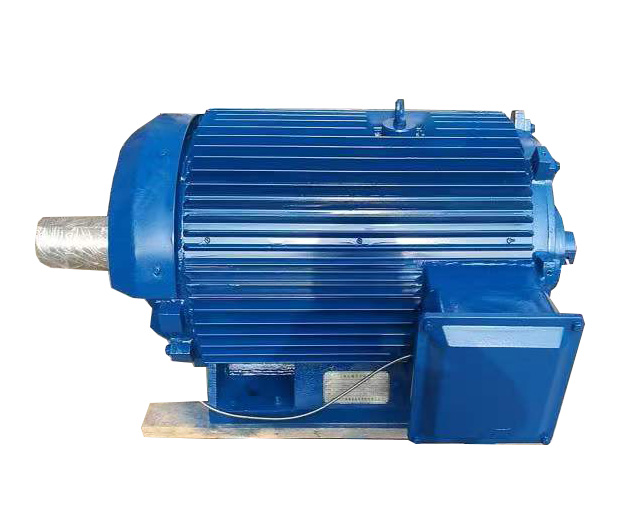
Define what direct drive removes
Direct drive describes a drivetrain architecture, not one universal motor construction. The motor connects to the load with fewer speed-reduction elements, and in some arrangements it can remove a gearbox, belts, sheaves, jackshaft or selected couplings. The exact boundary must be drawn for the existing and proposed systems. Only then can engineers compare losses, maintenance tasks, alignment points, spare parts and failure modes on the same basis.
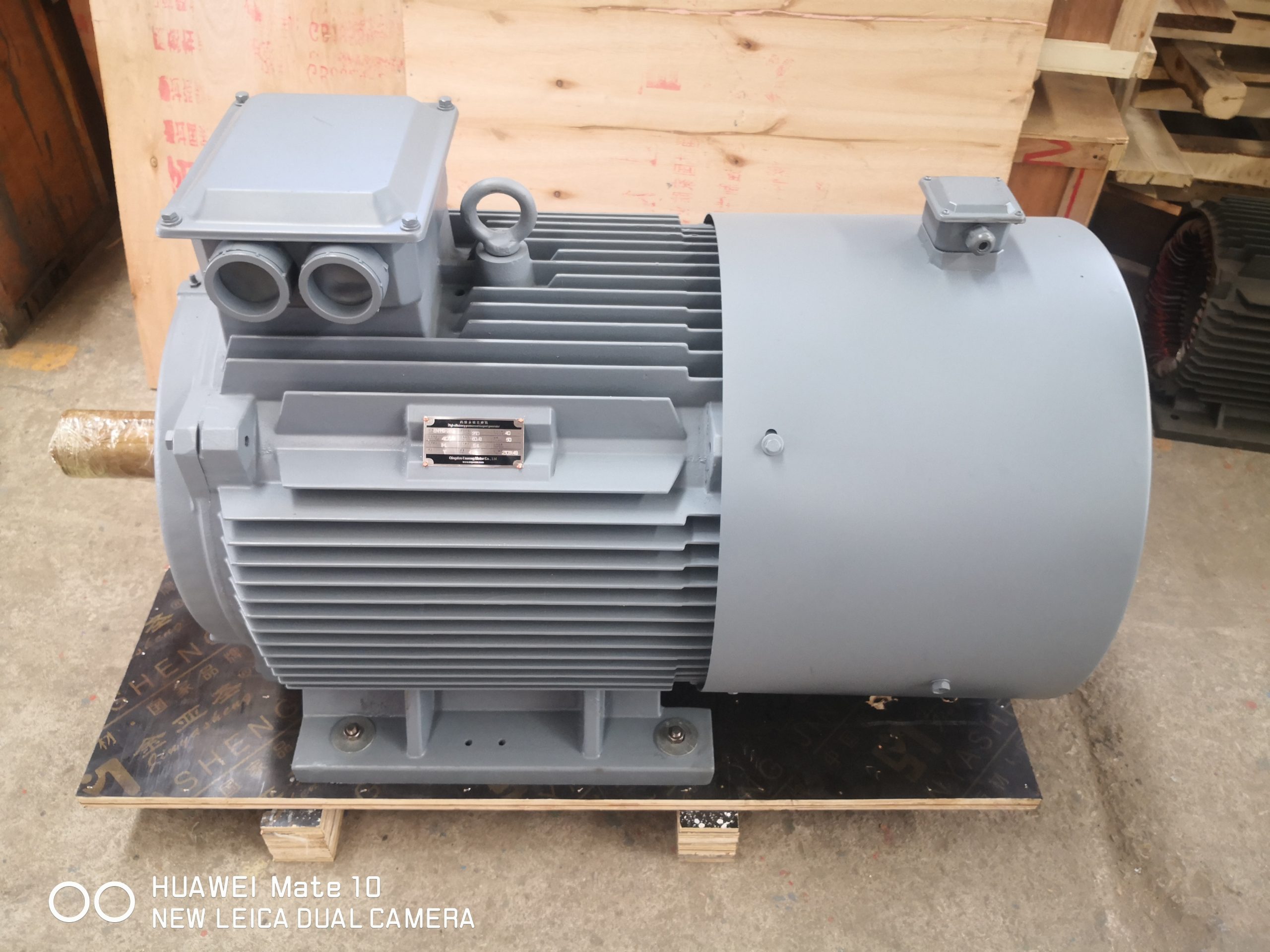
ABB describes direct-drive permanent magnet motors that generate high torque at low speed without mechanical reduction, while Siemens describes high-pole permanent magnet torque motors for low-speed direct drives. These examples support the architecture concept, but they do not establish the suitability of a particular ENNENG model. Site torque, speed, structure and control requirements still govern the project.
Low speed changes cooling and control
Producing high torque at low speed creates a thermal and control problem as well as an electromagnetic one. A shaft-mounted fan may provide little airflow at low rotational speed, so cooling architecture must be reviewed against continuous torque. Drive current, switching, sensor strategy and tuning must support stable operation through the required speed range. Applications near zero speed may need different feedback or commissioning practices from applications that run steadily above a minimum speed.
Share the lowest continuous speed, dwell time, overload duration and permissible temperature rise. If the equipment cycles or stalls by design, state that clearly. The cooling method, sensor placement and protection thresholds should correspond to this duty. A direct-drive concept that meets peak torque briefly may still be unsuitable if it cannot reject heat during the real cycle.
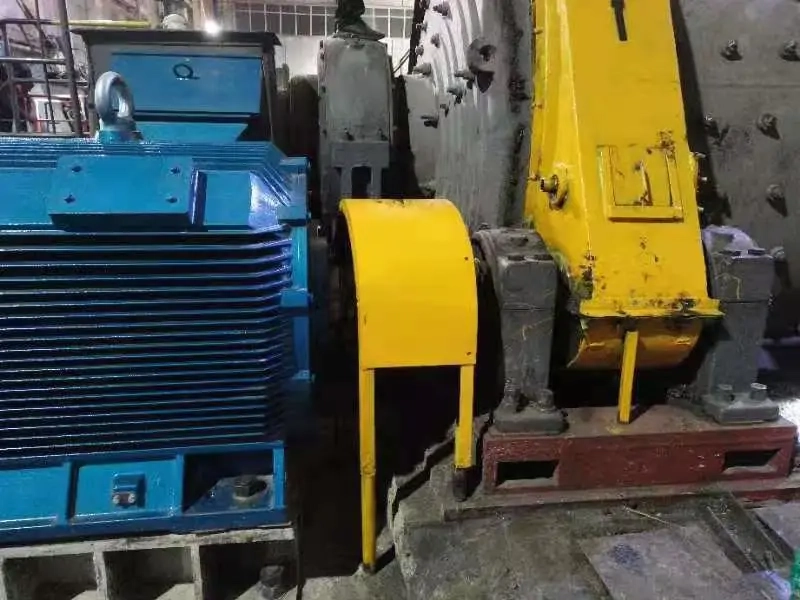
Measure the complete energy path
A direct-drive energy assessment should include the motor, drive, mechanical transmission and driven process. Removing gearbox or belt losses may improve the drivetrain, while a different motor operating point and drive strategy can change electrical losses. Use measured load profiles and hours at each point. Compare the same process output before and after the change.
Record the baseline method, instruments and production conditions. If a proposal uses calculated losses for the existing gearbox, label them as estimates and state the source. After commissioning, repeat measurements under comparable conditions. This separates a genuine system improvement from changes caused by process throughput, ambient conditions or operating schedule.
Direct-drive RFQ checklist
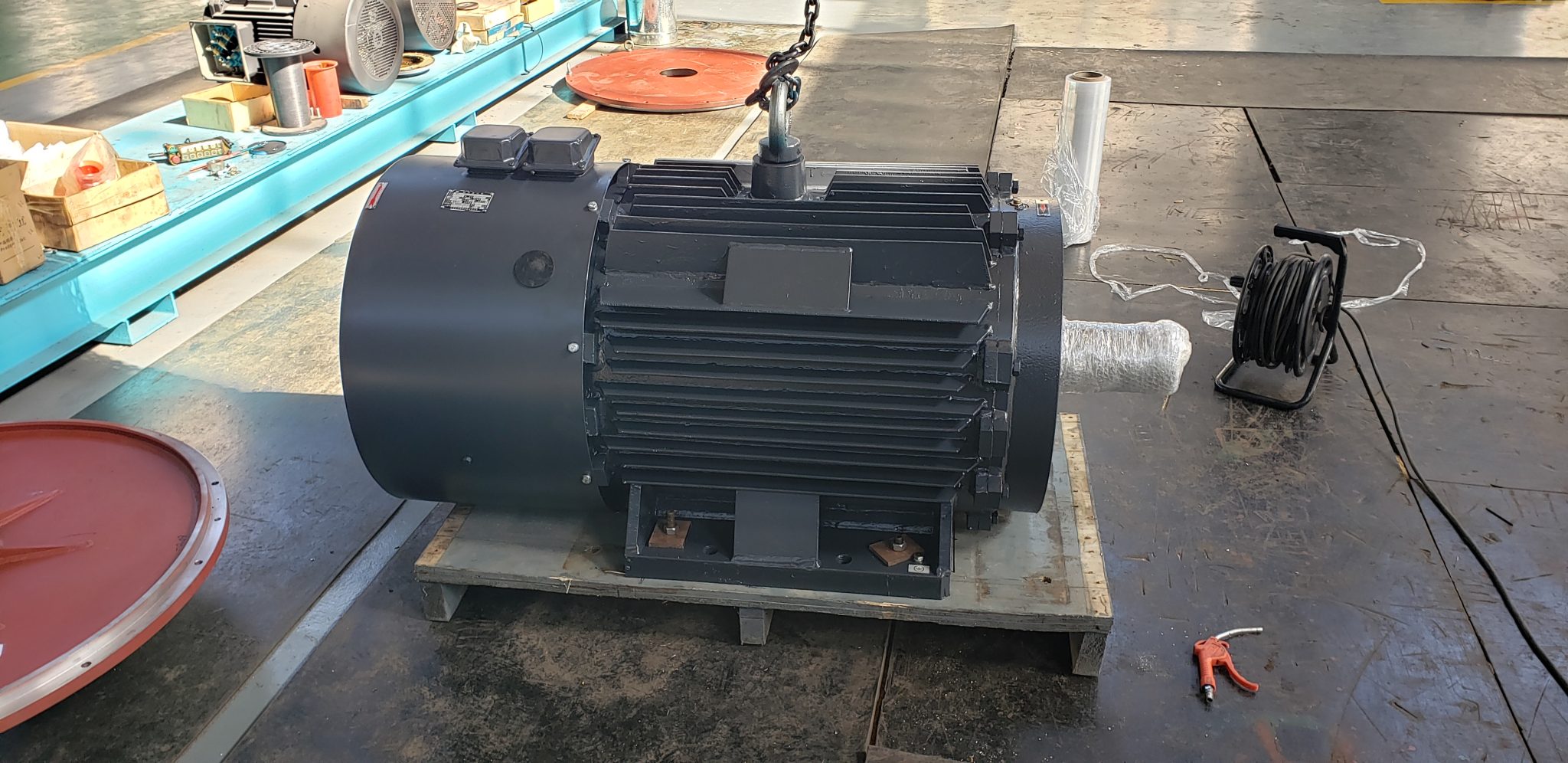
Send the driven-equipment description, existing drivetrain drawing, motor and gearbox nameplates, shaft speed, continuous and peak torque, starting method, load profile, inertia, coupling details, bearing arrangement, voltage, proposed drive, environment, cooling limits and available installation envelope. Photographs with scale references are useful, but dimensioned drawings remain necessary.
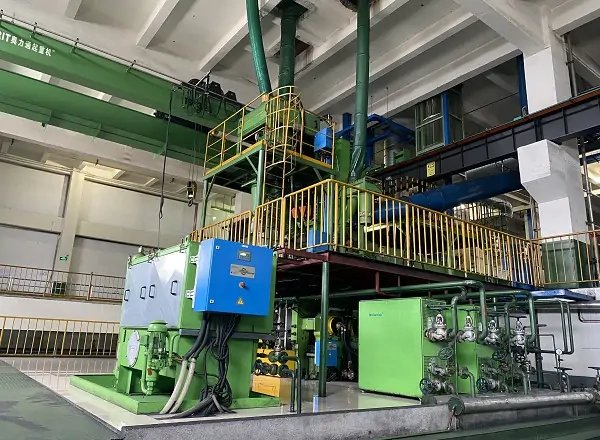
For conveyors include belt speed, loaded start condition, incline and take-up arrangement. For mills include charge condition, starting sequence and any inching requirement. For pumps and compressors include the process curve, minimum speed and control objective. ENNENG can use this package to decide whether a TYDP or other low-speed configuration deserves detailed review.